
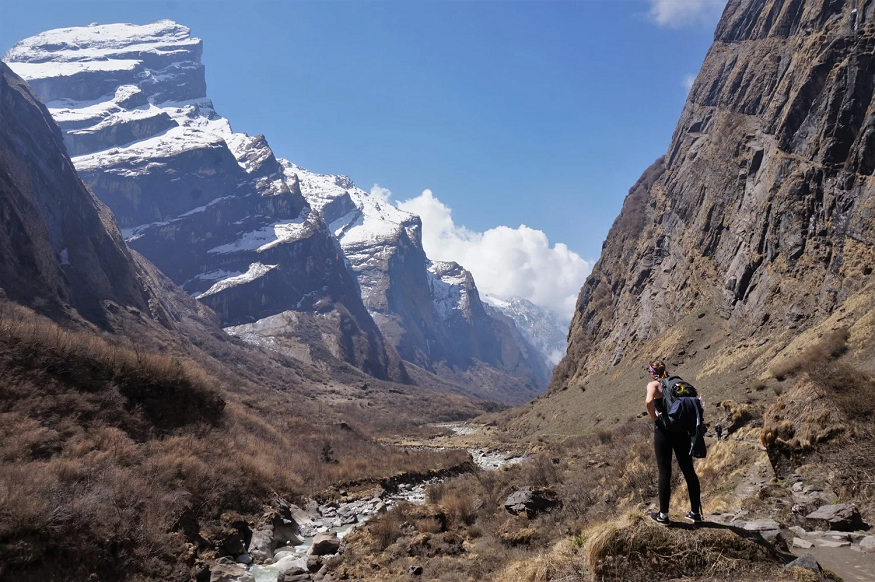
Packing for the Annapurna Base Camp trek is a special kind of puzzle. Advice floods in from every blog and forum, often leaving you staring at a giant backpack, wondering how you’ll carry it all. But out on the trail, reality edits that packing list with brutal efficiency. Some items become priceless treasures. Others become dead weight you silently resent with every step.
Packing smart for this journey starts with respecting the unique rhythm of the Annapurna Base Camp trekking route. This isn’t a sprint into remote wilderness, but a deliberate walk through a living landscape. The path connects villages and teahouses that provide warm meals and a bed each night. Your backpack shouldn’t carry a whole expedition, but the essential comforts that let you move in sync with the trail’s own steady pace. Knowing the difference between crucial gear and sentimental clutter can transform your load from a burden into a kit of genuine tools
The All-Star Ten (You’ll Bless These Daily)
First, a solid pair of broken-in hiking boots is non-negotiable. They are your single most crucial piece of gear. Nothing else matters if your feet are wrecked. Trust goes into those boots more than anything else in your pack.
Next, a solid, insulated water bottle beats a hydration bladder hands down. Bladder tubes freeze solid at higher elevations, leaving you parched. A metal bottle can be filled with hot water at night and tucked into your sleeping bag, doubling as a heater. It is a simple, brilliant trick.
Speaking of sleep, a sleeping bag liner is a humble hero. Teahouse blankets are provided, but their history is unknown. A soft, silk or thermal liner adds warmth and a crucial layer of personal cleanliness. It becomes your little cocoon of comfort.
Always carry a headlamp, not just a flashlight. That pre-dawn climb to Poon Hill or a late-night trip to an outdoor toilet makes it essential. Hands-free light is a fundamental freedom on the trail.
Pack more socks than you think you need. A fresh, dry pair of merino wool socks at the end of a hiking day feels like a moral victory. They manage moisture, prevent blisters, and boost spirits in a way few items can.
A compact power bank is worth its weight. Electricity in teahouses is often unreliable and paid for by the hour. Being able to charge your phone or camera independently means you never miss a photo or lose your way with a dead GPS.
Bring a basic, personal medical kit. While guides carry larger kits, having your own plasters, antiseptic wipes, blister pads, and any personal medication puts care in your own hands. It is fast, private, and efficient.
Never underestimate a pack of wet wipes. Showers become rare and often icy. A quick refresh with a wet wipe is the closest thing to a bath for days. They are the trail’s currency of cleanliness.
A good, wide-brimmed hat serves two critical functions. It shields you from the intense sun at lower elevations and keeps cold morning drizzle off your neck and glasses higher up. It is a versatile shield.
Finally, a lightweight journal and pen might seem sentimental, but they prove their worth. In the evenings, without reliable internet, writing down the day’s thoughts, the name of a village, or a new friend’s contact info is irreplaceable. Memory fades; ink does not.
The Regretful Five (Dead Weight)
Now, for the items that often make the cut but shouldn’t.
Leave the heavy hiking books and guides at home. After a seven-hour day of walking, no one has the mental energy to read chapters on geology. A downloaded PDF on your phone is more than enough. That extra pound feels like ten by day three.
Skip the fancy, multi-outfit wardrobe. The social scene in the teahouse dining halls is decidedly non-judgmental about fashion. Everyone lives in the same one or two technical shirts and leggings. A clean base layer to sleep in is all the luxury you need.
Expensive, bulky binoculars are rarely worth it. Distant peaks are breathtakingly massive; you don’t need magnification to appreciate them. For spotting wildlife, your camera’s zoom lens or just your own eyes work perfectly well. They become a clumsy nuisance.
Resist packing excessive, specialized snacks from home. Every teahouse sells chocolate, biscuits, and Snickers bars. Local trails mix is available. Your craving for that one specific protein bar from home will vanish, replaced by a desire for a fresh apple from a village stall.
Finally, ditch the giant towel. A quick-dry travel towel the size of a large facecloth is perfect. It dries overnight, packs tiny, and does the job. A standard cotton towel will never dry in the cold, damp air and will smell permanently mildewed, ruining everything in your bag.
The ultimate goal is simple. You want to carry your comfort, not your entire home. The rhythm of the trail provides the fundamentals. Your job is to supplement them with intelligent, weight-conscious choices. The lighter your load, the more you can focus on the real treasures the mountains offer: the views, the people, and the profound sense of accomplishment that comes not from what you brought, but from the journey you completed with just what you needed.