
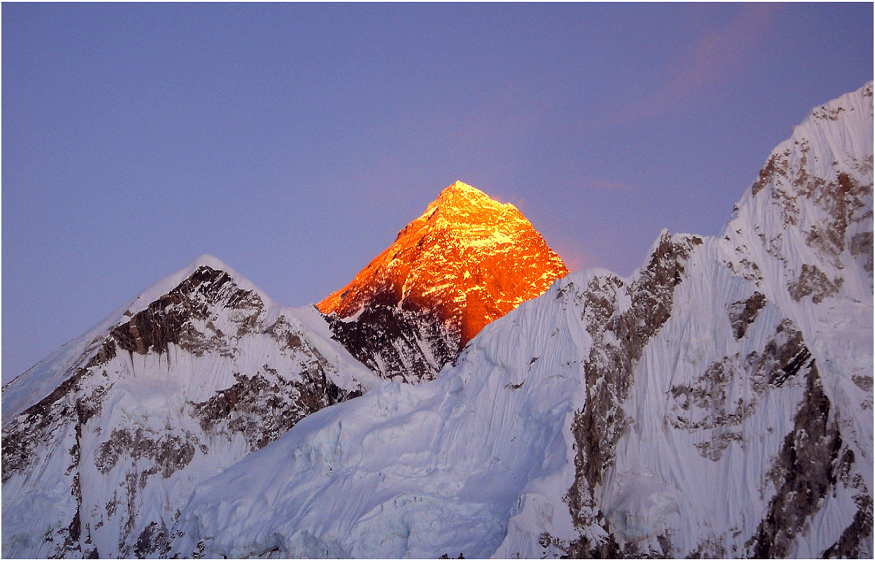
There’s a particular kind of daydream that hits people who love mountains — the one where you’re standing somewhere cold and thin-aired, staring up at Everest, and everything else in life feels far away. If that daydream has been nagging at you, you’ve probably already run into the same problem every prospective trekker faces: which route do you actually pick? The classic Everest Base Camp Trek? The shorter but iconic Kala Patthar Trek? Something more scenic like the Everest Base Camp with Gokyo Lake Trek? Or do you go all in with the Three Passes Trek?
Honestly, there’s no wrong answer here, but there is a right answer for you, depending on your time, fitness, and what kind of experience you’re chasing. Each of these routes moves through the same general Everest region, yet they feel completely different on the ground. One gives you the classic Everest trekking route trekkers have walked for decades. Another throws in turquoise alpine lakes. Another dares you to cross three brutal high passes in a single trip.
This guide walks you through all four treks — what makes each one tick, how hard they are, when to go, what permits you’ll need, and how to figure out which trail actually fits your goals. By the end, you should have a much clearer picture of your own Everest trekking adventure.
Why the Everest Region Remains the World’s Most Famous Trekking Destination
There’s a reason trekkers keep coming back to the Khumbu, year after year. Part of it is obvious — you’re walking toward the highest mountain on the planet, and that view never gets old. But it’s more than just Everest. It’s the Sherpa villages tucked into the hillsides, the smell of juniper incense outside old monasteries, and the prayer flags snapping in the wind at every ridge. Sagarmatha National Park itself is a UNESCO World Heritage Site, home to Himalayan tahr, pheasants, and, if you’re lucky, a distant snow leopard track in the mud.
Read More: East or West: Where to Stay in Crete for a Premium Vacation
Then there’s the culture. Sherpa hospitality is warm in a way that’s hard to describe until you’ve sat in a tea house kitchen sharing dal bhat with the family who runs it. Add in the ever-changing Himalayan landscape — glaciers, rhododendron forests, and high alpine desert — and you get a trekking region that rewards repeat visits. Plenty of hikers come back for Kala Patthar after doing Everest Base Camp or return years later to tackle the Three Passes once they’ve built up the stamina.
Everest Base Camp Trek – Nepal’s Classic Himalayan Adventure
What Makes the Everest Base Camp Trek Special?
This is the trek most people picture when they think about Everest trekking. You fly into Lukla, wind through Sherpa villages like Namche Bazaar, Tengboche, and Dingboche, and slowly climb toward the foot of the world’s tallest mountain. It’s not a technical climb — no ropes, no crampons — just a long, high-altitude walk that tests your legs and lungs more than your climbing skills.
Most itineraries run 12 to 14 days round trip from Lukla, which includes a couple of acclimatization days built in along the way. The reward at the end is standing on the Khumbu Glacier itself, right at Everest Base Camp, surrounded by towering icefalls (though you won’t actually see the summit from base camp — that comes later at Kala Patthar).
This Everest trekking route suits first-timers reasonably well, as long as you’re in decent shape and give yourself enough acclimatization time. It’s moderate in difficulty, well-trodden, and supported by tea houses the entire way, so you’re never really roughing it in a tent unless you choose to.
Kala Patthar Trek – The Best Viewpoint of Mount Everest
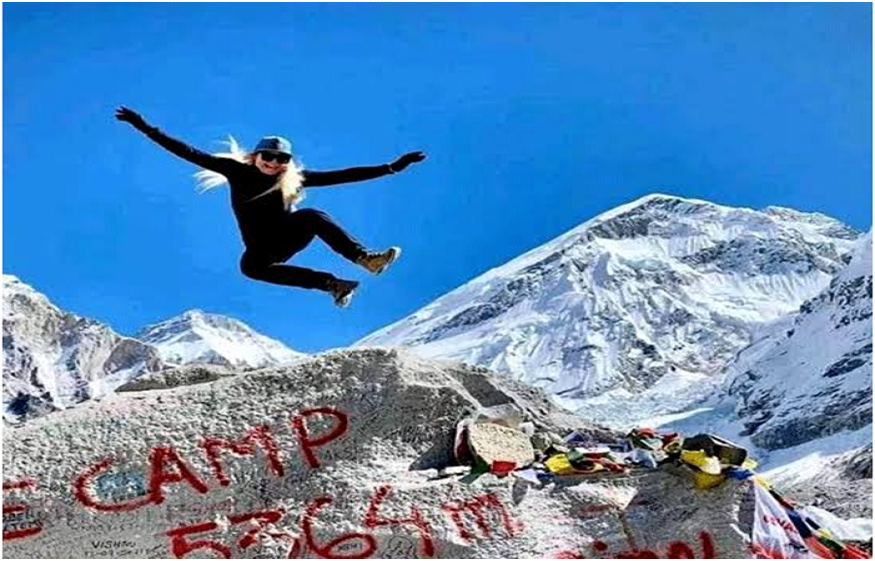
Here’s something a lot of trekkers don’t realize until they’re already at Base Camp: you can’t actually see Everest’s summit from there. That’s where Kala Patthar comes in. Sitting at around 5,644 meters, this rocky outcrop near Gorak Shep is widely considered the best Everest viewpoint in the entire region, and most EBC itineraries tack it on as a side trip.
Trekkers usually climb up before sunrise, bundled in every layer they own, to catch the first light hitting Everest’s summit pyramid. It’s brutally cold and the climb itself is short but steep, yet almost everyone who’s done it will tell you it was worth losing sleep over. Sunset works too, and some photographers actually prefer the warmer evening light, but the pre-dawn version has become something of a rite of passage.
If you’re wondering whether to bother with Kala Patthar after already reaching Base Camp — do it. Base Camp gives you the glacier and the atmosphere; Kala Patthar gives you the mountain itself.
Everest Base Camp with Gokyo Lake Trek – A Perfect Mix of Adventure and Beauty
Why Add Gokyo Lakes to Your Everest Journey?
If the classic route feels a little too well-worn for your taste, the Everest Base Camp with Gokyo Lake Trek is worth a serious look. This route swings west through the Gokyo Valley before linking back toward base camp, and it adds a completely different flavor to the trip — namely, a string of glacial lakes so blue they almost look photoshopped.
The Gokyo Lakes themselves are stunning, but the real payoff is Gokyo Ri, a viewpoint that rivals Kala Patthar for Everest panoramas, while also giving you views of Cho Oyu and the massive Ngozumpa Glacier. To connect the two valleys, trekkers cross Cho La Pass, a high, rocky, sometimes icy crossing that adds a bit of adventure without tipping into full mountaineering territory.
Trail traffic is noticeably lighter here than on the standard EBC path, which is a big draw for people who want some quiet with their mountain views. Expect around 15 to 18 days for this version, and expect it to be a notch harder than the classic Everest Base Camp Trek, thanks to the pass crossing and extra altitude gain.
Three Passes Trek – The Ultimate Everest Region Challenge
What Are the Three High Passes?
For trekkers who’ve already done Everest Base Camp or who just want the hardest, most complete tour of the Khumbu, there’s the Three Passes Trek. This route strings together Kongma La Pass, Cho La Pass, and Renjo La Pass, looping through nearly every major valley in the region — Base Camp, Gokyo, and the lesser-visited eastern trails near Chukhung.
This isn’t a trek to take lightly. Each pass sits above 5,300 meters, and the terrain gets rough — loose scree, snow patches, and steep, exposed sections that demand good weather and a clear head. Physical preparation matters a lot here; you want strong legs, solid cardio, and previous high-altitude experience if possible. Most trekkers spend 18 to 21 days on the full circuit.
Read More: Top 5 Ways To Explore Mornington Peninsula
What keeps people coming back to this one is the sheer variety. You get glacier lakes, Everest views from multiple angles, remote villages that barely see foreign trekkers, and a real shot at spotting Himalayan wildlife in the quieter valleys. It’s tough, no doubt, but for experienced trekkers, this is the definitive Everest region adventure.
Comparing the Four Everest Trekking Experiences
| Trek | Difficulty | Duration | Best For | Highlights |
| Everest Base Camp Trek | Moderate | 12–14 Days | First-time trekkers | Base Camp |
| Kala Patthar Trek | Moderate | 12–14 Days | Photography lovers | Everest sunrise |
| Everest Base Camp with Gokyo Lake Trek | Moderate to Challenging | 15–18 Days | Scenic trekking | Lakes & Pass |
| Three Passes Trek | Challenging | 18–21 Days | Experienced trekkers | Three High Passes |
Best Time to Trek in the Everest Region
Spring (March to May) and autumn (late September to November) are the sweet spots for Everest trekking. Skies are clearer, temperatures are manageable, and the rhododendrons bloom pink and red across the lower trails in spring. Autumn tends to bring the crispest mountain views and the busiest trails, since it lines up with good weather right after the monsoon clears out.
Winter (December to February) is quieter and colder, with a real chance of snow blocking the high passes — doable for the Everest Base Camp Trek, riskier for the Three Passes. Monsoon season (June to August) brings rain, leeches, and clouds that hide the peaks, so most trekkers skip it unless they’re chasing something specific like flowers or fewer crowds.
Trek Difficulty and Fitness Requirements
Expect to walk five to seven hours a day on most of these routes, gaining elevation gradually but relentlessly. Altitude is the real challenge, not distance — your legs might feel fine while your head pounds from thin air. Beginners can absolutely manage the Everest Base Camp Trek or Kala Patthar Trek with a bit of cardio training beforehand, ideally a few months of hiking, stair climbing, or running.
The Gokyo and Three Passes routes ask for more — stronger legs, better lungs, and a mind that can push through cold, tired mornings. Mental toughness matters as much as physical fitness once you’re above 5,000 meters.
Permits Required for Everest Region Treks
Every trekker in the region needs two main permits: the Sagarmatha National Park Entry Permit and the Khumbu Pasang Lhamu Rural Municipality Permit. Both can be arranged in Kathmandu through a registered trekking agency, or the municipality permit can be picked up in Lukla or Monjo on your way in. Permits are typically valid for the duration of your trek and checked at entry checkpoints, so keep photocopies handy along the trail.
Accommodation and Food Along the Trail
Tea houses are the backbone of Everest trekking, and they’re more comfortable than people expect — simple twin rooms, shared bathrooms lower down, and thick blankets for the cold nights higher up. Menus lean on dal bhat, noodle soups, and momos, though you’ll also find pizza, pancakes, and even apple pie in the bigger villages. Drinking water is available everywhere (bring purification tablets or a filter); Wi-Fi and charging usually cost a small fee, and both get patchier the higher you climb.
Essential Packing Tips for Everest Treks
Layering is everything — a good insulated jacket, breathable base layers, and a solid pair of broken-in boots will save your trip. Pack a warm sleeping bag rated for sub-zero temperatures; trekking poles for the knees; water purification tablets; a basic first aid kit; a power bank for the days without charging outlets; and sunglasses that actually block UV at altitude, since snow glare is no joke.
Altitude Sickness and Staying Safe
Headaches, nausea, and dizziness above 3,000 meters are common warning signs of altitude sickness, and they shouldn’t be ignored. Proper acclimatization days, drinking plenty of water, and simply walking slower than you think you need to are the best defenses. If symptoms worsen, descending immediately is the only real fix — don’t push through it. This is also where an experienced guide earns their keep, spotting trouble before it becomes serious.
Which Everest Trek Is Right for You?
If you’ve got around two weeks, decent fitness, and want the classic experience, the Everest Base Camp trek is hard to beat. Want that same trip but with a guaranteed close-up of Everest’s summit? Add on the Kala Patthar Trek. If you’ve got a bit more time and want quieter trails plus stunning lakes, the Everest Base Camp with Gokyo Lake Trek delivers more scenery for a bit more effort. And if you’re an experienced trekker chasing the ultimate challenge, with three high passes and every valley in the Khumbu, the Three Passes Trek is the one.
Conclusion
At the end of the day, there’s no single “best” trek in the Everest region — just the one that fits where you’re at right now. The Everest Base Camp Trek gives you the iconic journey. The Kala Patthar Trek hands you the mountain itself at sunrise. The Everest Base Camp with Gokyo Lake Trek mixes in some of the most beautiful lakes in the Himalayas. And the Three Passes Trek is there waiting for whenever you’re ready to test yourself against it.
Pick the route that matches your time, your legs, and your sense of adventure — not the one that just sounds toughest on paper. Whichever trail you choose, you’ll come home with the kind of memories that quietly change how you see the world, one mountain pass at a time.
FAQs
1. How difficult is the Everest Base Camp Trek for beginners?
It’s moderate — manageable for reasonably fit beginners as long as you build in acclimatization days and train beforehand. The altitude is the main challenge, not the terrain itself.
2. Is the Kala Patthar trek worth doing if I already reach Everest Base Camp?
Yes. Base Camp doesn’t actually offer a summit view, while Kala Patthar does. Most trekkers consider it the highlight of the whole trip.
3. What is the difference between the Everest Base Camp with Gokyo Lake trek and the classic Everest Base Camp trek?
The Gokyo version adds the Gokyo Lakes, Gokyo Ri viewpoint, and a Cho La Pass crossing, making it longer, quieter, and slightly more challenging than the standard route.
4. How challenging is the Three Passes Trek compared to the Everest Base Camp Trek?
It’s significantly harder, involving three high-altitude passes above 5,300 meters, more elevation gain, and a longer duration of around 18 to 21 days.
5. What is the best season for trekking to Everest Base Camp, Kala Patthar, Gokyo Lakes, and the Three Passes?
Spring and autumn are ideal across all four routes, offering the clearest skies, stable weather, and the best mountain visibility.