
The idea of working from anywhere has transformed how people live, travel, and build careers. While many remote workers choose cafés, co-working spaces, or mountain cabins, a growing number are embracing a more adventurous path: digital nomad sailing. Imagine waking to the sound of waves, opening your laptop with an ocean view, and ending the workday by exploring a hidden beach or watching the sunset from your deck.
The combination of the sailing lifestyle and remote work offers a freedom few other lifestyles can match. But living on a boat isn’t only about scenery and adventure — it also takes planning, discipline, reliable technology, and realistic expectations. In this guide, we’ll explore what it’s really like to combine sailing and remote work, from the benefits and challenges to internet solutions, the best cruising regions, and practical tips for making boat life both productive and enjoyable.
Why More Remote Workers Are Choosing Life at Sea
Remote work has removed the need for a fixed office, and at the same time advances in solar power, satellite internet, and portable workstations have made it easier than ever to work from a boat while staying connected with clients and employers. Instead of paying expensive city rent, many digital nomads invest in a sailboat that doubles as transportation, accommodation, and workspace. Every new anchorage becomes a temporary office, and every route creates a fresh opportunity for exploration. For many, nomadic sailing is about more than travel — it’s about designing a lifestyle centered on freedom, simplicity, and adventure.
Read More: Top 5 Light Installations You Can From A Vivid Sydney Cruise
The Biggest Advantages of Digital Nomad Sailing
Ultimate Freedom
The greatest attraction is the ability to move whenever you choose. When the weather is favorable, you can sail to another island or coastal town without booking hotels or flights. You decide where to anchor, how long to stay, which countries to explore, and how to shape your workday — a rare balance between productivity and exploration.
Lower Long-Term Living Costs
Buying and maintaining a boat takes investment, but many sailors find long-term expenses can be lower than constantly renting apartments or hotels. Typical monthly costs include marina fees, fuel, maintenance, insurance, internet, and groceries — and anchoring out instead of staying in marinas can reduce them significantly.
An Incredible Work Environment
Very few offices offer ocean breezes, dolphins swimming past, and peaceful sunsets after meetings. Working from a boat often improves mental well-being, reduces stress, and encourages a healthier work-life balance.
The Reality Behind the Dream
Social media highlights only the glamorous side of sailing, but real life on the water includes challenges every aspiring liveaboard should understand.
Weather Controls Your Schedule
Unlike living on land, sailors must constantly monitor the forecast. Strong winds, storms, and rough seas can delay travel plans and occasionally interfere with work, so flexibility is essential.
Maintenance Never Stops
Your boat is both your home and your vehicle, which means routine cleaning, engine maintenance, rigging checks, battery management, water systems, and the occasional sail repair. Learning basic maintenance skills saves money and reduces stress while cruising.
Space Is Limited
Minimalism becomes part of daily life. Every item onboard needs a purpose because storage is tight — though many digital nomads find they genuinely enjoy owning less and focusing on experiences instead.
Creating the Perfect Floating Office
One of the biggest concerns about sailing and remote work is building a workspace that actually supports productivity. Plenty of digital nomads successfully run businesses, attend video calls, and manage clients from aboard. A functional floating office usually includes a lightweight laptop, noise-canceling headphones, an optional portable monitor, waterproof storage, USB charging stations, and backup power banks — all kept simple and organized to maintain focus in a compact space.
Read More: Top 5 Ways To Explore Mornington Peninsula
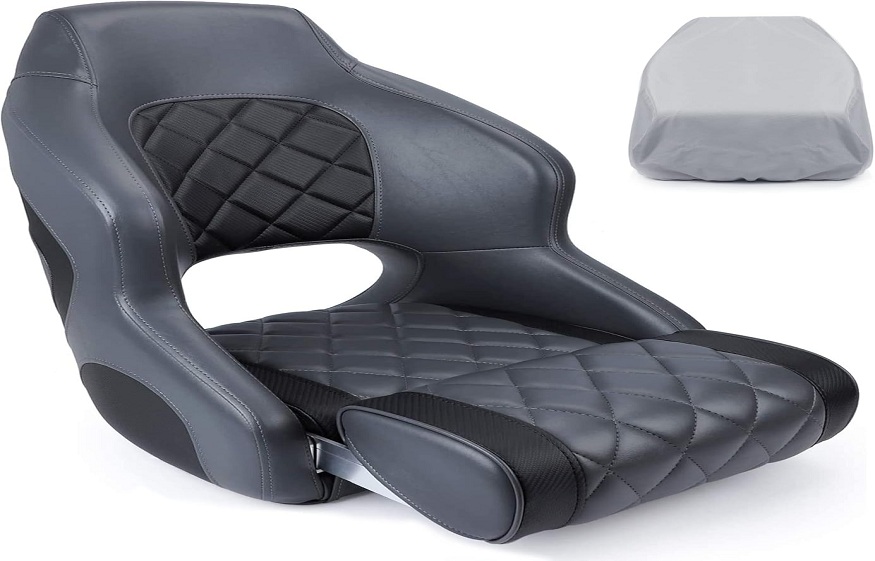
One detail that’s easy to underestimate is seating. When your desk chair is also where you eat, relax, and stand watch, comfort matters enormously — hours at a poorly supported helm or settee seat take a real toll over weeks aboard. Upgrading to proper, marine-grade seating is one of the highest-impact comfort improvements a liveaboard can make. This
boat seats review is a useful place to compare options for support, durability, and value, so your floating office stays comfortable through the longest workdays.
Staying Connected: Internet Solutions for Boat Life
Reliable internet is the foundation of successful boat-life digital nomad living, and today’s technology makes offshore connectivity far easier than it was even a few years ago.
Mobile Data Plans
Near coastlines, local SIM cards often provide fast, affordable internet. Many sailors buy a regional data plan when entering a new country.
Marina Wi-Fi
Many marinas offer Wi-Fi suitable for email, browsing, and light work, though speeds vary widely — so relying on it alone isn’t wise.
Satellite Internet
Modern satellite systems have transformed remote sailing. Many full-time cruisers now use satellite internet to stay connected even offshore, making video meetings and cloud-based work far more practical than before.
A Backup Strategy
Successful digital nomads rarely depend on a single connection. Instead they combine a mobile hotspot, local SIM cards, marina Wi-Fi, and satellite internet, which dramatically reduces downtime on important workdays.
Best Regions for Digital Nomad Sailing
The right cruising area depends on weather, internet availability, visa rules, and marina infrastructure. A few favorites: the Mediterranean, with excellent marinas, rich culture, and reliable coverage from spring through autumn; the Caribbean, with warm weather, clear water, and growing remote-work communities; Southeast Asia, offering affordable living, vibrant cultures, and good coastal internet; and Australia and New Zealand, which attract experienced sailors with stunning coastlines and well-developed boating infrastructure.
Balancing Work and Adventure
A common mistake new sailors make is treating every day as a vacation. The most successful remote workers build routines instead — perhaps a morning work session, an afternoon of sailing or exploring, evening client calls if needed, and time for maintenance before sunset. A little structure keeps your professional performance steady while you still enjoy the freedom of life at sea.
Financial Planning Matters
Living aboard doesn’t eliminate expenses. Before going full-time, build a realistic monthly budget covering food, insurance, boat repairs, fuel, marina fees, internet, health insurance, and — crucially — an emergency fund. Unexpected repairs are simply part of boat ownership, so a financial cushion is highly recommended.
Is Digital Nomad Sailing Right for You?
The sailing lifestyle isn’t for everyone. If you need constant high-speed internet, enjoy large living spaces, or dislike uncertainty, the adjustment may take time. But if you value independence, adventure, and meaningful experiences over material possessions, nomadic sailing can become one of the most rewarding ways to live. Many people discover that the greatest luxury isn’t owning more — it’s having the freedom to decide where tomorrow begins.
Final Thoughts
The rise of remote work has made digital nomad sailing more achievable than ever. Combining professional success with life on the water lets you explore new coastlines while maintaining your career. The lifestyle comes with real responsibilities — maintenance, weather planning, and managing reliable internet — but for many the rewards far outweigh the challenges. With careful preparation, dependable equipment, and a flexible mindset, you can turn sailing and remote work into a sustainable long-term lifestyle, one voyage at a time.
Whether you’re looking to learn more about boating, buy a boat or yacht, rent a vessel for your next adventure, or find the right accessories for life on the water, US Nautics has you covered — with practical boating guides, boats and yachts for sale, and honest, hands-on reviews of the gear and accessories that matter most. It’s a genuinely useful resource to bookmark and keep coming back to as your time on the water grows.